The Many Wonders of Adaptations
- Yatharth K
- Mar 5, 2023
- 3 min read

Updated: Apr 1, 2024
What are adaptations?
Adaptations are the magical gifts from Mother Nature that allow animals to survive in their environments. These extraordinary abilities have evolved over time and help creatures fit in, find food, and protect themselves from predators. Adaptations can be as small as a change in the fur color of a squirrel or as big as a giraffe's long neck. They come in all shapes and sizes and they make the world a much more interesting place. While they may seem like simple traits, adaptations are incredibly complex and intricate, allowing animals to thrive in their natural habitats. From the arctic polar bear's thick fur to the chameleon's ability to change color, these amazing attributes can be seen everywhere!
How do adaptations help animals survive in their environment?
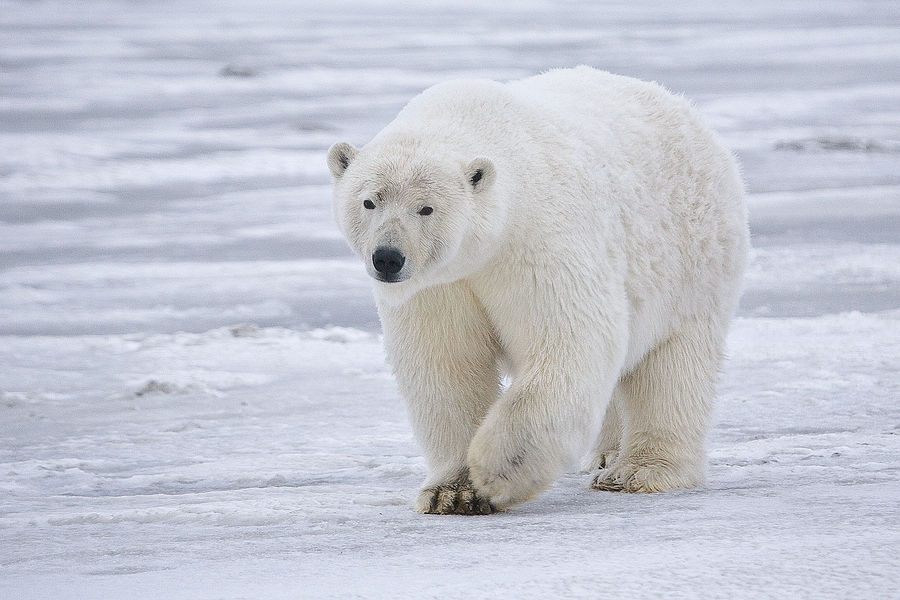
It's no secret that animals have been surviving and thriving in the world for millions of years, and adaptations are a huge part of the equation. From the fur of the polar bear to the wings of the eagle, adaptations are everywhere - helping animals to survive and thrive in the face of ever-changing environments. Adaptations come in all shapes and sizes, from physical adaptations such as fur, claws, and horns, to behavioral adaptations like migration, hibernation, and mimicry. The way an animal is adapted to its environment can have a huge impact on its ability to survive. For example, animals that live in cold climates often have thick fur or feathers to help them stay warm. They also have thicker layers of fat, which acts like insulation to keep them warm and fed during periods when food is scarce. Animals that live in dry, arid climates often have adapted ways of storing water, such as camels storing fat or some plants having long roots to reach water deep beneath the soil. Animals that live in water often have streamlined bodies, webbed feet, or even gills! These adaptations help them move through the water quickly and with minimal effort, while other aquatic animals may have fins or special organs that help them sense prey. No matter the adaptation, they all help animals survive and thrive in their environment. Some adaptations, like fur, might seem simple at first glance, but these adaptations play an important role in helping animals survive and thrive in a constantly changing world.
What are some examples of adaptations?

Animals have evolved an array of incredible adaptations to help them survive in their respective environments. From the ability to camouflage into their environment, like a chameleon, to the ability to fly through the air, like a bat, adaptations come in all shapes and sizes. One adaptation that never fails to amaze is the long neck of a giraffe. The long neck gives it the advantage of reaching leaves on tall trees that other animals can’t get to. Other animals, like the polar bear, have adapted to survive in frigid temperatures by growing thick fur and layers of fat. Meanwhile, desert-dwelling animals such as camels have developed ways of storing water for long periods of time. Another fascinating adaptation is echolocation. Bats use this special ability to navigate at night and locate prey. They emit high-pitched sounds and then listen for the echoes to tell them what's around them. Adaptations also include behaviors like hibernation, which helps animals survive cold winters. Some animals, like squirrels, hoard nuts during the summer and fall to prepare for winter while others, like bears, sleep through most of the season. No matter what kind of adaptation it is, it's clear that the wonders of evolution never cease to amaze. Every species has its own unique set of adaptations that help them survive in its environment. Who knew there were so many ways animals can adapt?
How do adaptations change over time?
Adaptations are an integral part of the survival of any species. It is important to understand how these adaptations can change over time as well. Adaptations are evolutionary processes that help animals survive in their environment. These processes are impacted by a variety of factors such as climate, competition for resources, and the need to better protect against predators. As the environment changes, so do the adaptations of the animals living in it. A perfect example of this is the polar bear. As temperatures have dropped, polar bears have adapted to have thicker fur to keep them warm and bigger feet for better mobility in the snow. Fun fact: polar bears are actually considered marine mammals because they spend most of their time on sea ice. All in all, it’s pretty amazing to think about how much can change in a short amount of time, especially when it comes to adaptations.


Comments